

Introduction
Getting hurt at work is already stressful enough. But when your doctor says you need surgery, everything gets more complicated. Medical bills pile up, you miss work, and suddenly you are wondering if your workers’ comp claim will actually cover everything you need.

One of the most common questions injured workers ask is: what is the average workers’ comp settlement for surgery? It is a fair question, and the honest answer is that it depends on a lot of things. But do not worry, because this guide is going to walk you through real numbers, real factors, and real advice that can help you understand what your case might be worth.
Whether you just had surgery or you are still deciding whether to move forward with a claim, this post covers everything you need to know about how surgery affects your settlement value.
Does Surgery Increase a Workers’ Comp Settlement?
Yes, almost always. Surgery is one of the biggest factors that pushes a workers’ comp settlement higher. Here is why.
When surgery is involved, your injury is no longer considered minor. Insurance companies and courts take surgical cases more seriously because the medical costs are higher, the recovery time is longer, and there is a greater chance of permanent damage or long term limitations.
Surgery also means more documentation. You have hospital records, surgeon notes, anesthesia reports, physical therapy records, and follow up visits. All of that paperwork builds a stronger case for a larger payout.
Simply put, surgery adds real dollar value to your claim. Knowing the average workers’ comp settlement for surgery helps you understand what you should be pushing for.
Average Workers’ Comp Settlement for Surgery
So let us get to the numbers. The average workers’ comp settlement for surgery in the United States typically falls somewhere between $30,000 and $150,000. However, many serious surgical cases settle for much more, especially when the injury causes permanent disability or limits your ability to work long term.
Here is a general breakdown based on surgery type:
| Surgery Type | Average Settlement Range |
|---|---|
| Back Surgery (Spinal Fusion) | $75,000 to $175,000+ |
| Knee Surgery (ACL/Meniscus) | $30,000 to $80,000 |
| Shoulder Surgery (Rotator Cuff) | $40,000 to $100,000 |
| Neck Surgery | $60,000 to $150,000+ |
| Wrist or Hand Surgery | $20,000 to $60,000 |
| Hip Surgery | $50,000 to $120,000 |
These are ballpark figures. Your actual settlement could be higher or lower depending on your state, your injury details, and how well your case is handled.
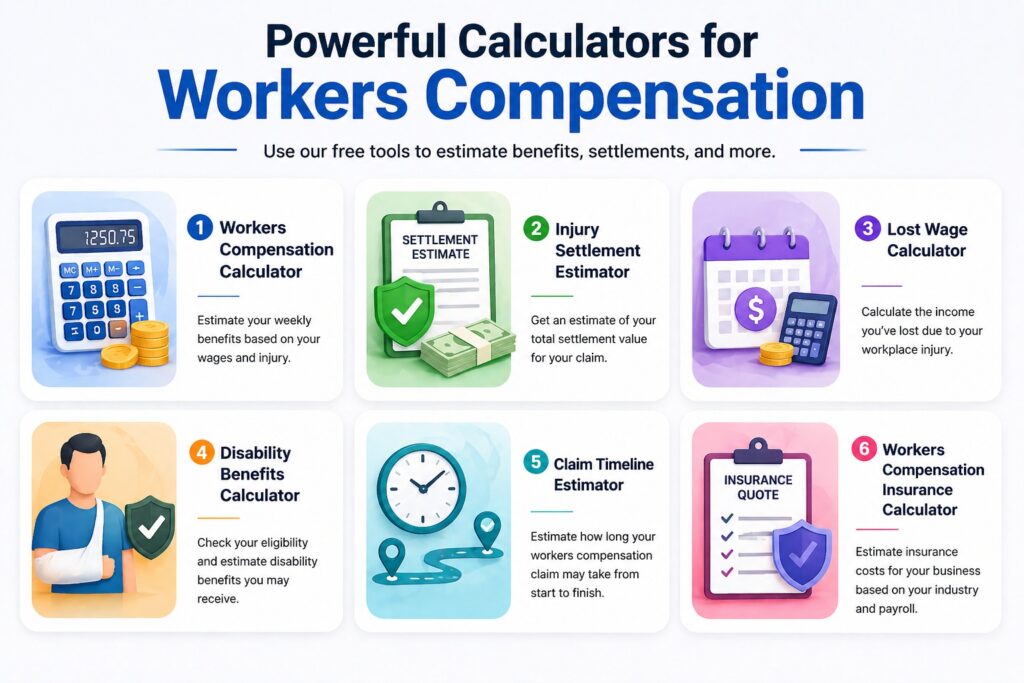
You can get a better personal estimate by using the Injury Settlement Estimator to plug in your specific situation.
What Types of Surgery Lead to Higher Settlements
Not all surgeries are treated the same in workers’ comp cases. Some surgical procedures carry higher settlement values because they involve more complex recovery, higher risk of complications, or long term functional loss.
The surgeries that tend to produce the highest settlements include:
Spinal fusion surgery is at the top of the list. It is a major procedure, involves long recovery, and often leads to permanent restrictions on lifting, bending, and sitting.
Multi level disc surgery falls into a similar category. When more than one disc is affected, the surgery becomes more complex and the recovery more difficult.
Total joint replacement, such as a hip or knee replacement, also results in higher settlements because it involves a major change to your body that will affect you for the rest of your life.
Brain or head surgeries following workplace accidents are rare but carry some of the highest settlement values because the impact on a person’s daily life can be severe.
Biggest Factors That Affect Settlement Amounts
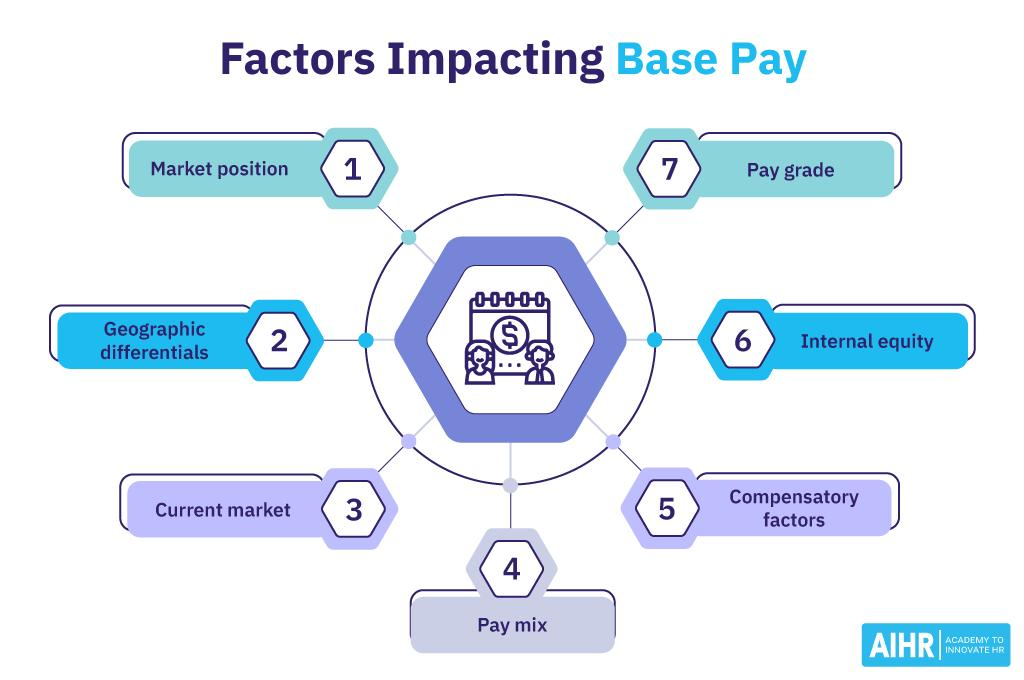
Beyond the type of surgery, several other things determine how much your settlement ends up being. Understanding these factors is key to making sure you are not leaving money on the table.
Your permanent disability rating plays a huge role. After surgery, a doctor will assess how much permanent impairment you have. A higher rating means a bigger settlement.
Your age matters too. A younger worker who will live with a disability for decades typically receives more compensation than an older worker closer to retirement.
Your pre injury wages affect the lost wage portion of your settlement. Higher earners generally receive larger settlements.
State laws vary widely. Some states cap workers’ comp settlements, while others allow much larger payouts. Workers Compensation Benefits by State gives a good overview of how your state compares.
Whether you have legal representation also makes a big difference, and we will cover that more in a later section.

Back Surgery vs Knee Surgery vs Shoulder Surgery Settlements
These three are the most common surgeries in workers’ comp cases, so it helps to compare them side by side.
Back surgery settlements are usually the highest. Spinal injuries are serious and can affect your entire body. A simple discectomy might settle in the $50,000 to $80,000 range, while a spinal fusion can easily exceed $150,000.
Knee surgery settlements depend on how severe the damage is. An arthroscopy for a torn meniscus might settle around $30,000 to $50,000, but a full ACL reconstruction with complications could go higher.
Shoulder surgery, particularly for a rotator cuff tear, often settles between $40,000 and $100,000. Rotator cuff injuries are common in physically demanding jobs, and if the tear is complete or causes permanent weakness, the settlement value goes up significantly.
How Lost Wages Impact Your Settlement
Surgery means time off work, sometimes a lot of it. If you had spinal surgery, you could be out of work for three to six months or even longer. That lost income is a major part of the average workers’ comp settlement for surgery.
Workers’ comp typically pays around two thirds of your average weekly wage while you are recovering. But your settlement can also include compensation for future lost wages if your injury limits your ability to return to your previous job.
If you are curious how much your lost income could add to your claim, the Lost Wage Calculator can give you a clear picture.
Medical Costs and Future Treatment Calculations
Your past medical bills are just one part of the equation. What really drives up the average workers’ comp settlement for surgery is the cost of future medical care.
After surgery, you might need physical therapy for months, prescription medication, follow up imaging, pain management, and potentially even additional surgeries down the road. All of that future care has a dollar value, and it should be included in your settlement.
Insurance companies hire their own doctors, called independent medical examiners, to minimize the future care estimate. Having your own medical experts who can accurately project your future needs is critical to getting a fair settlement.
Why Some Surgery Cases Settle for Much More
You may have heard of workers’ comp surgery settlements in the hundreds of thousands or even over a million dollars. These are not myths. They happen when several serious factors combine.
When a worker suffers a catastrophic injury like a traumatic spinal cord injury or severe brain injury that requires surgery and results in permanent total disability, settlements can be enormous.
Cases also settle for much more when the employer or a third party is found to be negligent. If unsafe working conditions directly caused your injury, you may have grounds for additional claims beyond standard workers’ comp.
Multiple surgeries, ongoing complications, and inability to ever work again all push settlements into much higher territory. You can learn more about how Workers Compensation Settlements work overall to understand the full picture.
Common Insurance Company Tactics After Surgery
Insurance companies do not want to pay large settlements. After surgery, they use several tactics to reduce what they owe you.
They may challenge whether your surgery was truly work related. They might argue that a pre existing condition caused your problem, not your job. They may push for an early return to work before you are fully healed.
They also often schedule independent medical examinations with doctors who tend to minimize injury severity. These IME doctors are paid by the insurance company, which creates an obvious conflict of interest.
Knowing these tactics ahead of time helps you protect yourself. Document everything, follow your doctor’s orders exactly, and do not give recorded statements without speaking to an attorney first.
Should You Settle Before or After Surgery?
This is one of the most important decisions you will face. And the general advice from most workers’ comp attorneys is: wait until after surgery to settle.
Here is why. Before surgery, you do not know how the procedure will go. You do not know your final disability rating, how long recovery will take, or what complications might arise. Settling before surgery locks you into an amount based on estimates, not reality.
After surgery, you have real numbers. You know your actual medical costs, your recovery timeline, and your permanent restrictions. This puts you in a much stronger position to negotiate the average workers’ comp settlement for surgery that you actually deserve.
To understand more about timing, check out How Long Does a Work Comp Settlement Take for a realistic timeline.

Real Settlement Examples for Surgery Cases
Looking at real world examples can help you get a sense of what is possible.
A construction worker who suffered a spinal fracture requiring fusion surgery settled for $185,000 after proving permanent restrictions prevented him from returning to physical labor.
A factory worker with a torn rotator cuff requiring full reconstruction settled for $72,000, which included past medical bills, physical therapy, and a portion of lost future wages.
A warehouse employee who needed two knee surgeries after a fall settled for $95,000 after documenting significant permanent impairment that limited her standing and walking ability.
These examples are not guarantees, but they show that the average workers’ comp settlement for surgery can be substantial when the case is properly documented and handled.
How Lawyers Help Increase Surgery Settlements
Hiring a workers’ comp attorney is one of the best decisions you can make after a surgical injury. Studies consistently show that injured workers who hire attorneys receive significantly higher settlements than those who go it alone.
A good attorney knows how to gather the right medical evidence, challenge unfair IME reports, negotiate aggressively with insurance adjusters, and make sure future care costs are fully included in your settlement.
Most workers’ comp attorneys work on a contingency fee basis, meaning they only get paid if you win. So there is little financial risk in at least getting a consultation.
If you are still on the fence, reading Do I Need a Lawyer for Workers Compensation? can help you make the right call for your situation.

Mistakes That Can Reduce Your Compensation
Even strong surgical cases can be hurt by avoidable mistakes. Here are the ones that cost injured workers the most money.
Returning to work too soon is a big one. If you go back before your doctor clears you and you reinjure yourself, it complicates your claim.
Missing medical appointments sends a signal to the insurance company that your injury is not serious. Every appointment is a record that supports your case.
Posting on social media is another trap. Insurance companies monitor your accounts. A photo of you doing something active can be used to argue you are not as injured as you claim.
Accepting the first settlement offer without negotiating is also common. Insurance companies rarely lead with their best offer. Countering with evidence almost always produces a better result.
Tools to Estimate Your Settlement Value
You do not have to guess what your case might be worth. There are helpful tools available to give you a starting point.
The Workers Compensation Calculator helps you estimate your total benefit amount based on your wages and injury details.
The Disability Benefits Calculator is especially useful for surgical cases where permanent impairment is involved.
These tools give you a reasonable baseline, but remember they are estimates. An experienced attorney can give you a more precise assessment of your specific case.
Additional Plus 80+ Free Online Tools ToolsMaverick.cloud
FAQs
How long does it take to settle a workers’ comp surgery case? Most surgical cases take anywhere from one to three years to fully settle, depending on how long recovery takes and how complex the legal issues are.
Can I reopen my case after settlement if I need more surgery? If you signed a full and final release, generally no. That is why settling too early can be risky.
Does the type of employer affect my settlement? It can. Large employers with strong legal teams may fight harder, but they also have more resources to pay larger settlements.
What if my surgery was not approved by workers’ comp? This is a serious issue. You should consult an attorney immediately. Denied claims can often be appealed. Visit What If Workers Comp Claim Is Denied for next steps.
Is the average workers’ comp settlement for surgery taxable? Generally, workers’ comp settlements are not taxable income. But there are exceptions depending on how the settlement is structured.
Conclusion
Surgery changes everything about a workers’ comp case. It increases your medical costs, extends your recovery time, and often results in permanent limitations that affect your ability to work and live normally. All of that should be reflected in your settlement.
The average workers’ comp settlement for surgery varies widely, but knowing the key factors, understanding the process, and avoiding common mistakes puts you in the best position possible to get fair compensation.
Do not rush into a settlement. Document everything. Get legal help if you can. And use the tools available to you to estimate what your case is realistically worth.
If you are dealing with a surgical workers’ comp case right now, take action today. The decisions you make in the coming weeks can have a lasting impact on your financial recovery for years to come.
Did you find this guide helpful? Share it with someone who might need it, or drop your questions in the comments below. You deserve to know your rights.