

The Waiting Game After MMI

You got hurt at work. You went through treatment. Now your doctor has declared you at Maximum Medical Improvement, and you are sitting there wondering what happens next. One of the most common questions injured workers ask is: how long for settlement after MMI?
The honest answer is that it depends. But that is not very helpful on its own, so let us walk through everything that actually affects your timeline, what the process looks like, and what you can do to avoid unnecessary delays.
Whether your injury was minor or serious, understanding how long for settlement after MMI takes can save you a lot of stress and help you make better decisions.
What Does MMI Actually Mean?
MMI stands for Maximum Medical Improvement. It means your doctor believes your condition has stabilized and further treatment is not expected to improve things significantly. You may still have ongoing symptoms or limitations, but your recovery has reached its peak.
This is a major milestone in any workers’ comp case. Once MMI is reached, the focus shifts from medical treatment to figuring out what compensation you are owed for your permanent condition.

If you want to understand MMI more deeply, check out this detailed guide on MMI in workers’ comp cases which explains your rights at this stage.
So How Long for Settlement After MMI?
This is the big question. In general, most workers’ comp settlements happen somewhere between a few weeks to several months after MMI is declared. Some cases take longer, especially when there are disputes or complicated injuries.
Here is a rough breakdown:
| Situation | Estimated Timeline |
|---|---|
| Simple case, no disputes | 4 to 8 weeks after MMI |
| Moderate complexity, some negotiation | 2 to 4 months after MMI |
| Disputed claims or serious injuries | 6 months to over a year |
| Cases requiring hearings or litigation | 1 to 2 years or more |
These are general estimates. Your state laws, the insurance company’s behavior, and your injury type all play a role in how long for settlement after MMI actually takes in your situation.
What Happens Right After MMI Is Declared?
Once your doctor says you have reached MMI, a few things usually happen:
1. Impairment Rating Is Assigned
Your doctor will assess how much permanent damage you have. This is called a permanent impairment rating or disability rating. It is usually expressed as a percentage and becomes the basis for your settlement amount.
2. The Insurance Company Reviews Your Case
The insurer will look at your medical records, your impairment rating, your wages, and other details to calculate what they think they owe you.
3. Settlement Negotiations Begin
This is where things can speed up or slow down significantly. If the insurance company makes a fair offer early, you might settle quickly. If not, you may need to negotiate, get a second opinion, or involve a lawyer.
How long for settlement after MMI during negotiations really depends on whether both sides can agree. Some cases settle in a matter of weeks. Others drag on for months.
Factors That Affect How Long Settlement Takes After MMI
Here are the main things that influence your timeline:
Severity of Your Injury

More serious injuries mean larger settlement amounts, which usually means more back and forth. If you had surgery, for example, your case will likely take longer. You can learn more about how surgery affects your case at this guide on workers’ comp settlement for surgery.
Your State’s Laws
Every state handles workers’ comp differently. Some states have strict timelines for insurers to respond. Others give them more flexibility. States like California, Georgia, and Florida all have different rules, and those differences directly affect how long for settlement after MMI takes in your case.
Whether the Claim Is Disputed
If the insurance company is questioning your injury, your treatment, or your impairment rating, that adds time. You may need an Independent Medical Examination (IME), and those back and forth disputes take months to resolve.
Whether You Have a Lawyer

Having an experienced workers’ comp attorney can actually speed things up in many cases. Lawyers know how to push back on lowball offers and move the process along. If you are unsure whether you need legal help, read this guide on whether you need a lawyer for workers’ compensation.
The Insurance Company’s Willingness to Cooperate
Some insurers move quickly. Others drag their feet hoping you will accept a low offer out of frustration. Knowing this ahead of time helps you set realistic expectations.
Types of Workers’ Comp Settlements
Understanding the type of settlement you are pursuing also affects how long for settlement after MMI takes.
Lump Sum Settlement
You receive one single payment that closes out your claim. These take negotiation time upfront but are usually finalized faster once both sides agree.
Structured Settlement
Payments are spread out over time. These can take longer to set up because they involve more legal and financial arrangements.
Stipulated Award
In some states, you can settle the permanent disability portion while keeping future medical care open. This type can sometimes move faster because there is less to dispute.
What You Can Do to Speed Things Up
Nobody wants to wait forever. Here are some practical steps that can help move your case along:
Keep all your medical records organized and ready to share. Delays often happen when documents are missing or scattered across different providers.
Respond quickly to requests from your attorney or the insurance company. Every day you wait to return paperwork is a day added to your timeline.
Get an accurate estimate of what your case might be worth. You can use a tool like the Injury Settlement Estimator to get a general idea before you enter negotiations.
Consider using a Claim Timeline Estimator to better understand how your specific situation compares to typical cases.
Do not rush to accept the first offer. A fast settlement is not always a fair one.
Common Delays and How to Avoid Them
Even straightforward cases hit bumps. Here are some common reasons things get delayed and what you can do about them:
Disputes over your impairment rating are very common. If the insurance company disagrees with your doctor’s rating, they may request their own exam. This process alone can add one to three months.
Missing documentation slows everything down. Make sure your doctor has submitted all required forms and that your employer reported your injury properly.
Waiting for legal approval. Most workers’ comp settlements have to be approved by a judge or hearing officer. Scheduling those hearings can sometimes take several weeks.
State-specific procedural requirements add steps. Every state has its own process, and missing a deadline or form can push your case back significantly.
A Real Look at the Timeline
Let us say you reached MMI in January. Here is what a typical timeline might look like:
January: MMI declared, impairment rating assigned. February: Insurance company reviews your file and makes an initial offer. March: Your attorney negotiates a better offer, and both sides agree. April: Settlement documents are drafted and signed. May: A judge approves the settlement and payment is issued.
That is roughly four to five months, which is actually on the faster end. For more complex cases, how long for settlement after MMI can easily stretch to a year or beyond.
What Happens If You Do Not Agree With the Settlement Offer?
You are never required to accept an offer that does not fairly compensate you. If you believe the offer is too low, you have options.
You can request an Independent Medical Examination to challenge the impairment rating. You can negotiate further or take the case to a hearing. In some cases, mediation is an option where both sides work with a neutral third party.
Understanding your rights at every stage matters. How long for settlement after MMI can increase if you pursue these routes, but the result is often a significantly higher payout.
Conclusion: Patience Pays Off, But Stay Proactive
So how long for settlement after MMI? The range is wide, from a few weeks to over a year, depending on your state, your injury, the insurance company, and whether there are any disputes.
What matters most is that you stay informed and proactive. Know your rights. Do not let the process drag on because of missing paperwork or unanswered requests. Understand what your case is worth before you agree to anything.
How long for settlement after MMI is directly linked to how well you navigate the steps after your doctor clears you. Being prepared makes a real difference.
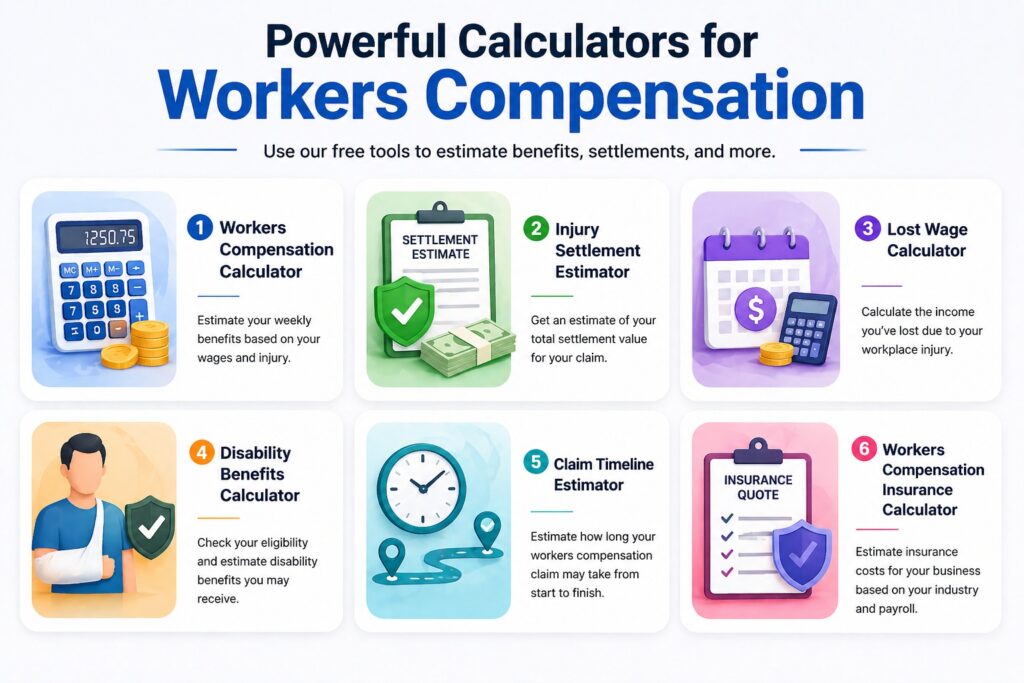
If you want to get a clearer picture of what your claim might be worth and how the timeline might look, start with the Workers’ Compensation Calculator and consult with a qualified attorney in your state.
Calculate Your KPI With Our Advance Calculator
Have questions about your settlement timeline? Leave a comment below or share this post with someone who is going through the workers’ comp process. The more informed injured workers are, the better outcomes they get.