

Getting hurt at work is already stressful enough. But when you file a claim and find out your denied workers compensation request is sitting in a pile with a rejection letter on top, that stress can feel overwhelming. You did everything right, or so you thought, and now what?

The truth is, denied workers compensation claims are more common than most people realize. Many workers assume that if they get injured on the job, benefits will automatically kick in. But the system does not always work that way. Claims get rejected for all kinds of reasons, some of which have nothing to do with whether your injury was real or serious.
This guide is here to walk you through exactly what denied workers compensation means, why it happens, and most importantly, what you can do about it. Whether you just received a denial letter or you are trying to avoid one, this post has you covered.
What Does Denied Workers Compensation Mean
When an insurance company or your employer rejects your workers compensation claim, it means they are refusing to pay for your medical bills, lost wages, or other benefits tied to your workplace injury.
A denial does not mean the case is closed forever. It means the insurer or employer has decided, at this point, that your claim does not meet the requirements for approval. You have the right to fight back, and many workers who appeal their denied workers compensation cases do end up receiving benefits.
Common Reasons Workers Compensation Claims Get Denied
Understanding why claims get denied is the first step toward protecting yourself. Here are the most common reasons the workers compensation claim process hits a wall.

Late Reporting of Injury
Every state has a deadline for reporting a workplace injury to your employer. If you wait too long, your claim may be denied right away.
Most states require you to report within 30 days of the injury. Some give you more time, others less. The moment you get hurt, report it in writing. Do not assume your supervisor already knows or that it will work itself out later.
Injury Not Work-Related
Insurance companies often deny claims by arguing the injury did not happen at work or was not caused by your job duties. This is one of the most common disputes in any workers compensation claim process.
If you were injured during your lunch break off the premises, during a personal errand, or at a company party where attendance was optional, the insurer might say it is not covered. Document everything and be specific about what happened and where.

Lack of Medical Evidence
You need medical documentation to back up your claim. If you did not see a doctor right away, or if your medical records do not clearly link your injury to your job, your denied workers compensation case may be hard to fight.
Always see a doctor as soon as possible after a workplace injury. Make sure the doctor notes in the records that your injury is work-related.
Employer Disputes the Claim
Sometimes employers push back on claims because they are worried about rising insurance premiums. They may say the injury never happened, that you were not actually working at the time, or that you were under the influence of alcohol or drugs.
This is why having witnesses and written documentation from the moment the injury occurs is so important during the workers compensation claim process.
Missing Deadlines or Paperwork Errors
The workers compensation claim process involves a lot of forms and deadlines. Missing a filing deadline or submitting incomplete paperwork is one of the easiest ways to get denied.
Keep copies of everything you submit. Write down dates. Follow up to confirm your forms were received. One missing signature or wrong date can cause a denial.
Pre-Existing Conditions Issues
If you had a prior injury or medical condition in the same area of your body, the insurer may claim that your current injury is not new or not caused by your job.
This does not automatically disqualify you. If your work made a pre-existing condition worse, you may still qualify. But you will need solid medical evidence to support that argument.
What to Do If Your Workers Compensation Is Denied
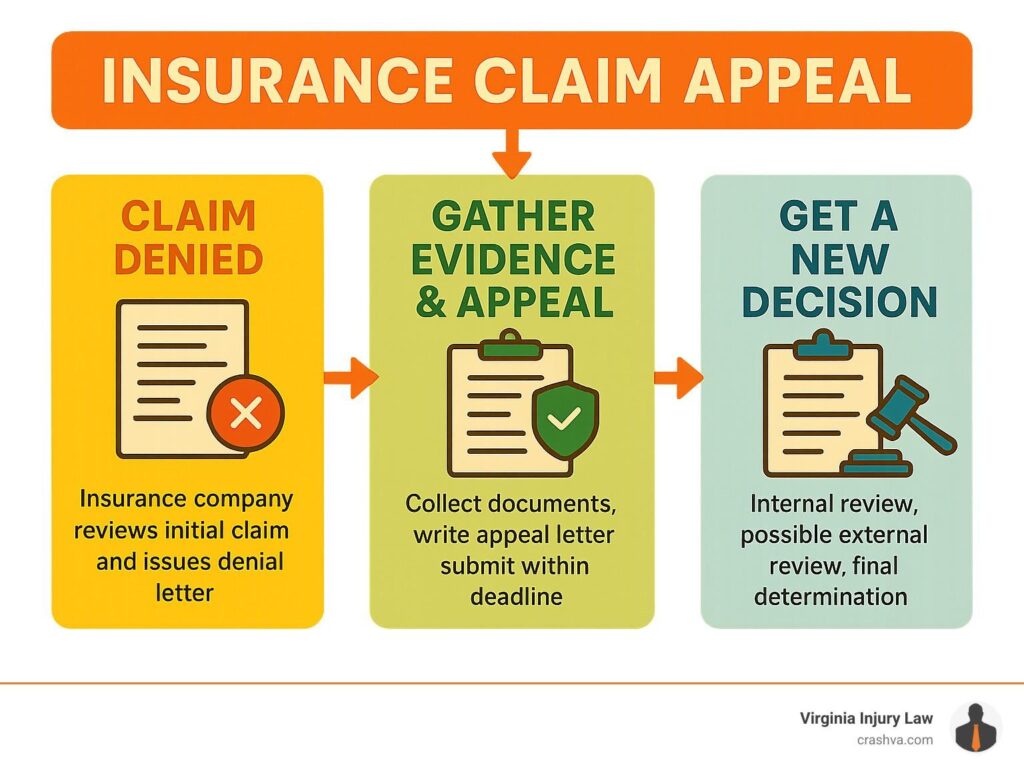
Getting a denial letter is not the end of the road. Here is what to do right away.
Read the denial letter carefully. It should explain exactly why your claim was denied. Understanding the specific reason helps you figure out your next move.
Gather your evidence. Collect medical records, witness statements, incident reports, pay stubs, and any communication with your employer or the insurance company.
Check your deadlines. Most states give you a limited window to file an appeal after a denied workers compensation decision. Do not wait.
Talk to a workers compensation attorney. Many offer free consultations and work on contingency, meaning they only get paid if you win.
You can also use our Workers Compensation Calculator to get a rough estimate of what your benefits might be worth, which can help you understand if fighting the denial is worth your time and energy.
How to Appeal a Denied Workers Compensation Claim
The appeal process varies by state, but here is a general overview of how it works.
First, you file a formal appeal or request for a hearing with your state’s workers compensation board. You will need to submit your evidence and explain why you believe the denial was wrong.
Next, there is usually a hearing in front of a judge or administrative officer. Both sides present their case. Having a lawyer by your side during this stage can make a big difference.
If the first appeal does not go your way, there are often additional levels of appeals available, including going to court. The workers compensation claim process can be long, but persistent claimants do win.
Tips to Avoid Claim Denial
Prevention is always easier than fighting a denial. Here are some habits that can protect your claim from the start.
Report every injury immediately, no matter how minor it seems. Small injuries can get worse over time, and early reporting protects your rights.
See an approved doctor right away. Some states require you to see a doctor approved by your employer or their insurance carrier. Check your state’s rules before choosing a provider.
Be consistent in your statements. If you describe your injury differently to your employer, your doctor, and the insurance company, it raises red flags.
Keep a written record of everything. Dates, names, what was said, what forms were submitted. This record can save your claim later in the workers compensation claim process.
Use our Claim Timeline Estimator to understand where you are in the process and what steps come next.
Sponsored: Plan Your Retirement Savings Now! with our User Friendly Tool
When to Hire a Lawyer
If your claim has been denied, you should seriously consider hiring a workers compensation attorney. This is especially true if:
Your injury is serious or long-term. Your employer is disputing your claim. The insurance company is offering a settlement that seems too low. You are confused about the appeals process or deadlines.
A good lawyer knows the workers compensation claim process inside and out. They can gather evidence, negotiate with insurers, and represent you at hearings. Most work on contingency, so the upfront cost is not an issue.
You can also read more about the full Workers Compensation Claim Process in our detailed step-by-step guide, or check out What Injuries Qualify for Workers Compensation to better understand your eligibility.
FAQs
Can I reapply after a denied workers compensation claim? Yes. In most states you can appeal or refile depending on the circumstances. Always check your state’s deadline rules.
How long does a workers compensation appeal take? It varies by state, but appeals can take anywhere from a few weeks to over a year depending on the complexity of the case.
Will my employer know I hired a lawyer? Yes, typically your lawyer will contact the insurance carrier, and your employer will likely find out. This is normal and legal.
Does a denial mean I get nothing? Not necessarily. A denied workers compensation claim can be appealed, and many workers win on appeal. You may also be able to explore other options like disability benefits. Our Disability Benefits Calculator can help you understand your options.
What if I missed the deadline to appeal? Talk to a lawyer immediately. In some cases, exceptions can be made, but time is critical.
Conclusion
A denied workers compensation claim feels like a punch in the gut, especially when you are already dealing with pain, medical bills, and missed work. But a denial is not a final answer. It is a setback, not a dead end.
Know your rights. Document everything. Meet every deadline. And do not be afraid to ask for help, whether that is from a lawyer, a union rep, or even the resources on this site.
If you are unsure about what your claim might be worth, start with our Lost Wage Calculator or the Injury Settlement Estimator to get a clearer picture of your situation.
You worked hard. You deserve the protection that workers compensation is designed to provide. Fight for it.
Have questions about your denied workers compensation situation? Drop a comment below or share this post with someone who might need it.