

Introduction
Getting hurt at work is already stressful enough. But then you file your workers comp claim, wait anxiously, and the letter comes back saying: denied. It feels like a punch in the gut.
If you are wondering what if my workers comp claim is denied, you are not alone. Thousands of workers face this exact situation every year. The good news? A denial is not the end of the road. It is actually just the beginning of a process you can fight.
This guide will walk you through everything step by step, in plain simple language, so you know exactly what to do next.

What If My Workers Comp Claim Is Denied (Quick Answer)
So what if my workers comp claim is denied? The short answer is: you have the right to appeal. A denial means the insurance company or your employer is saying they do not believe your claim qualifies, but that decision can be challenged.
Most states give you a specific window of time to file an appeal after a denial. You have options, including gathering stronger evidence, requesting a hearing, and getting legal help. Do not assume the denial is final.
Why Workers Compensation Claims Get Denied (Common Reasons)

Before you can fight a denial, it helps to understand why it happened. Here are the most common reasons workers comp claims get denied:
Late Reporting Many states require you to report your injury within a certain number of days. If you wait too long, your claim can be denied right away.
No Witnesses If nobody saw your injury happen, the insurance company may question whether it really occurred at work.
Pre-existing Conditions If you had a previous injury or medical condition in the same area of your body, insurers often try to blame your current pain on that instead of your workplace accident.
Injury Happened Outside Work If there is any doubt about where or how you got hurt, the insurer may claim it did not happen on the job.
Missed Medical Appointments Skipping doctor visits or not following treatment plans gives insurers reason to say your injury is not as serious as you claim.
Errors on the Claim Form Simple paperwork mistakes can lead to an automatic denial.
Employer Disputes the Claim Sometimes the employer flat out says the injury did not happen the way you described, and the insurer sides with them.
Understanding which reason applies to your case helps you know exactly what to fix when you appeal.
First Steps to Take After a Denial
When you get that denial letter, the worst thing you can do is nothing. Here is what to do right away:
First, do not panic. Stay calm and read everything carefully.
Second, do not miss your appeal deadline. This is critical. Every state has different timeframes, and if you miss it, you may lose your right to appeal entirely.
Third, contact a workers comp attorney. Even a free consultation can help you understand your options.
Fourth, gather all your paperwork. Your medical records, accident report, witness statements, and any communication with your employer are all important.
Fifth, use resources like the Workers Compensation Claim Process guide to make sure you understand every step.
How to Review Your Denial Letter Properly
Your denial letter is not just bad news. It is actually a roadmap. Read it closely because it must tell you:
The specific reason your claim was denied, the deadline to file an appeal, and the steps you need to take to challenge the decision.
Look for phrases like “failure to establish causal relationship” or “injury did not occur in the course of employment.” These give you clues about what evidence you need to build a stronger case.
If the language is confusing, that is completely normal. Do not guess. Ask a lawyer or workers comp specialist to explain it to you.
Can You Appeal a Denied Workers Comp Claim?
Yes, absolutely. What if my workers comp claim is denied? You appeal it. This is a legal right in every state.
The appeal process exists precisely because denials are not always correct. Insurance companies make mistakes, overlook evidence, or deny claims hoping the worker will just give up.
Most workers who appeal with proper documentation and legal help have a real shot at getting their benefits approved. According to data from various state workers comp boards, a significant number of appealed claims are overturned or settled in the worker’s favor.
You can also check what injuries qualify for workers compensation to make sure your injury type is covered in your state.
Worker Compensation benefits by states
Step-by-Step Workers Compensation Appeal Process
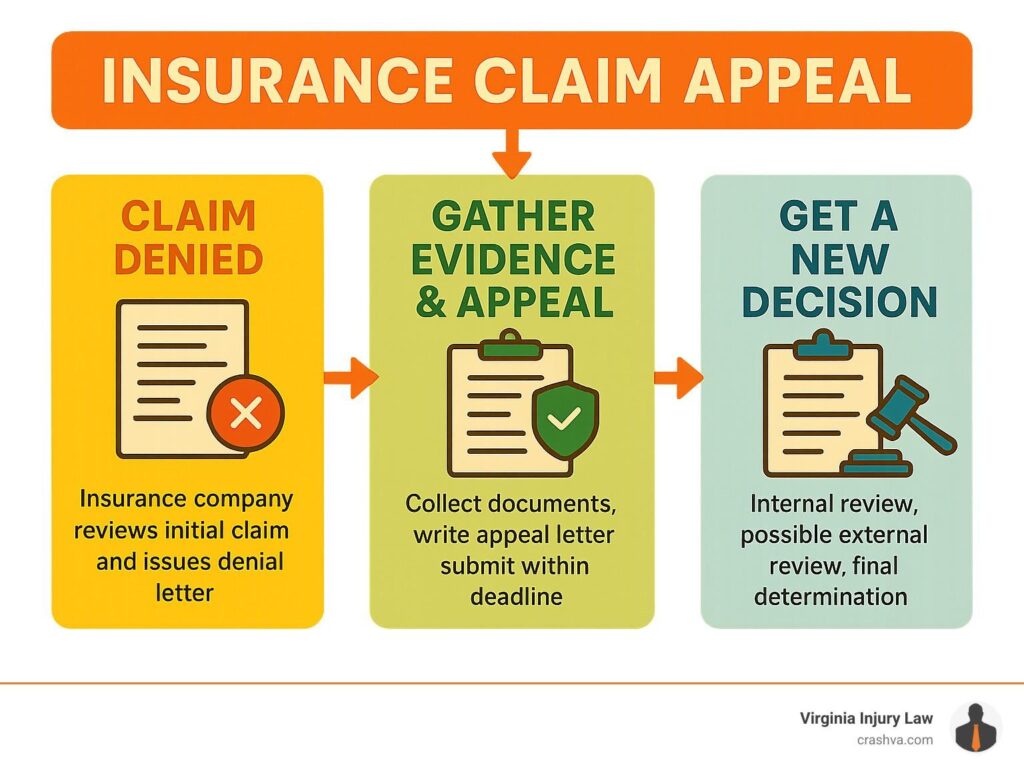
Here is how the appeal process typically works:
Step 1: File a Written Appeal Submit a formal written notice of appeal to your state’s workers compensation board. Make sure to meet the deadline listed in your denial letter.
Step 2: Gather New or Additional Evidence Collect updated medical records, get a second opinion from another doctor, and gather any witness statements you may have missed the first time.
Step 3: Request a Mediation or Conference Many states offer informal hearings or mediation before a full hearing. This can sometimes resolve things faster.
Step 4: Attend a Formal Hearing If mediation does not work, a judge will hear both sides. You present your evidence and the insurer presents theirs.
Step 5: Receive a Decision The judge issues a ruling. If you win, your benefits are approved. If you lose, further appeals may be possible depending on your state.
Deadlines You Must Not Miss
Missing a deadline is one of the fastest ways to lose your case completely. Here is a general overview:
| Action | Typical Timeframe |
|---|---|
| Report injury to employer | 24 to 72 hours (varies by state) |
| File initial workers comp claim | 30 to 90 days after injury |
| File appeal after denial | 30 to 90 days after denial notice |
| Statute of limitations for claim | 1 to 3 years (varies by state) |
These are general ranges. Your state may be different. Always check your specific state rules or speak with a lawyer immediately.
What Evidence You Need to Win Your Appeal
Strong evidence can make or break your appeal. Here is what matters most:
Medical records showing your injury, diagnosis, and treatment history are the foundation of any claim. Statements from coworkers who saw what happened add credibility. Photos of the accident scene or your injury taken close to the time of the incident are powerful. Your employer’s incident report (even if they dispute your version) is part of the record. A written opinion from your treating doctor linking your injury directly to your job duties carries serious weight.
The more organized and clear your evidence is, the better your chances.
How Medical Records Impact Your Case
Your medical records are probably the single most important piece of your case. Here is why.
When an insurer or judge looks at what if my workers comp claim is denied situations, they go straight to the medical documentation. They want to see that you sought treatment quickly after the injury, that the injury is consistent with what you reported, and that your doctor connects the injury to your workplace.
If there are gaps in treatment, inconsistencies in your records, or vague doctor notes, the insurer will use those against you. This is why going to the doctor right away and being honest and specific about how your injury happened is so important.
You can also get a second independent medical examination if you feel the first doctor’s report did not fairly represent your condition.
Should You Hire a Lawyer After Denial?

This is one of the most common questions people ask when facing a denial. The honest answer is: in most cases, yes.
Workers comp law is complicated. Every state has different rules. Insurance companies have experienced lawyers working for them from day one. Having someone in your corner who understands the system makes a real difference.
Most workers comp attorneys work on contingency, meaning they only get paid if you win. There is no upfront cost in most cases.
If you are unsure whether you need legal help, read Do I Need a Lawyer for Workers Compensation for a detailed breakdown of when hiring an attorney makes the most sense.
What Happens During a Workers Comp Hearing
A workers comp hearing is less formal than a regular court trial, but it is still serious. Here is what to expect:
A workers comp judge or hearing officer runs the process. Both sides, you and the insurance company, present their evidence and arguments. Witnesses can be called and questioned. Medical experts may testify about your injury. The judge asks questions and reviews all documents submitted.
You do not need to be a lawyer to attend, but having one by your side is strongly recommended. Being prepared, organized, and honest during the hearing gives you the best possible outcome.
How Long the Appeal Process Takes
One of the hardest parts is the waiting. The length of the appeal process varies quite a bit depending on your state, the complexity of your case, and how backed up the workers comp board is.
Informal mediations can sometimes be resolved in a few weeks to a couple of months. Formal hearings can take anywhere from three to twelve months or even longer in complicated cases.
Use the Claim Timeline Estimator to get a rough idea of what to expect based on your specific situation.
What Compensation You Can Still Recover
Even after a denial, if your appeal is successful, you can still recover several types of compensation:
Medical expenses for treatment related to your injury, temporary disability benefits if you were unable to work during recovery, permanent disability benefits if your injury caused lasting limitations, vocational rehabilitation if you need to train for a new type of work, and lost wages for the time you were off work.
To get a rough sense of what your case might be worth, try the Injury Settlement Estimator tool. It can help you understand your potential recovery before you decide on next steps.
Tips to Avoid Getting Denied Again
If you are filing a new claim or refiling after a denial, keep these tips in mind:
Report your injury immediately, even if it seems minor at first. See a doctor right away and be specific about how the injury happened at work. Follow all treatment plans your doctor gives you. Document everything in writing, including conversations with your employer or insurance company. Keep copies of every form, letter, and medical record. Do not post about your injury on social media. Insurance companies do monitor this.
Also make sure you understand how to qualify for workers compensation from the start to avoid common eligibility mistakes.
FAQs (Common Questions)
What if my workers comp claim is denied for a pre-existing condition? You can still appeal. Many injuries aggravate pre-existing conditions, and the law in most states says employers are still responsible for making a pre-existing condition worse.
How many times can I appeal a denied workers comp claim? Most states allow multiple levels of appeal, from informal hearings to formal hearings to state appellate courts. Speak with a lawyer to understand how many options you have.
Can I sue my employer if workers comp is denied? In most cases, workers comp is your exclusive remedy, meaning you cannot sue your employer directly. However, there are exceptions, such as intentional harm or cases involving third parties.
Does a denial affect my job? A denial itself does not automatically put your job at risk, but the situation can become complicated. Learn more about your rights by reading Can I Be Fired While on Workers Compensation.
What if I cannot afford a lawyer? Most workers comp lawyers offer free consultations and work on contingency. You likely do not need to pay anything upfront.
Conclusion
Facing a denied claim is frustrating, scary, and overwhelming. But knowing what if my workers comp claim is denied means you have options, you have rights, and you have a real path forward gives you power.
The key is to act quickly, stay organized, get the right medical documentation, and seriously consider working with a qualified workers comp attorney. Do not let a denial letter be the last word.
Your injury was real. Your need for support is real. And your right to fight for those benefits is real too.
If you are ready to take the next step, start by exploring the Workers Compensation Calculator to understand your potential benefits, and reach out to a professional who can guide you through the appeal process.
You have got this. Do not give up.
Sponsored: Free Online Tools Platform Access 80+ Free Online Tools at ToolsMaverick.cloud