
You got hurt at work. Your back aches every morning. You can’t sleep. You’ve missed weeks of income. And on top of all that stress, someone told you workers comp would “take care of everything.”

But then you asked the big question: does workers comp pay for pain and suffering?
And the answer surprised you.
Most workers assume that if they got hurt on the job, they can claim every type of damage, just like in a regular lawsuit. But workers compensation works very differently from personal injury cases. Understanding this difference could save you from making costly mistakes during your claim.
Let me break it all down in plain language.
What Workers Comp Actually Covers
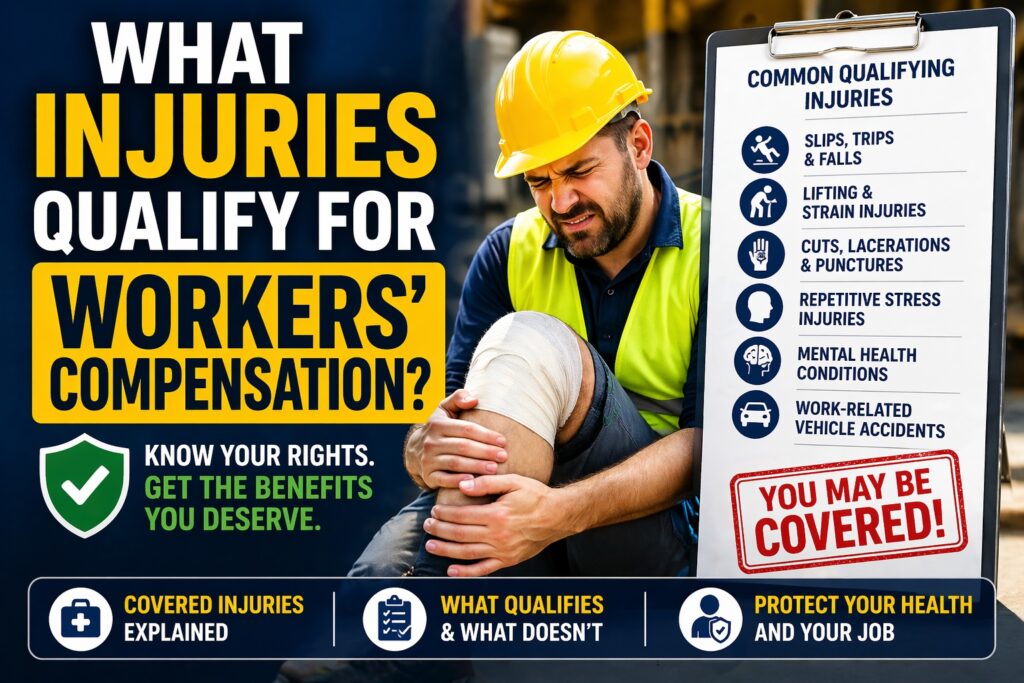
Workers compensation is a system designed to help employees who get injured at work. It covers things like medical bills, lost wages, and rehabilitation costs. It does not work like a lawsuit where you sue someone and get money for how bad you felt.
Here is what workers comp typically pays for:
- Medical treatment related to your injury
- A portion of your lost wages while you recover
- Permanent disability benefits if you cannot fully recover
- Vocational rehabilitation if you need to switch jobs
- Death benefits for the family if a worker dies on the job
Notice what is missing from that list? Pain and suffering.
So does workers comp pay for pain and suffering in the traditional sense? In most states, the straightforward answer is no. You cannot file a workers comp claim and ask for separate money just because your injury caused you emotional distress or physical pain beyond your medical care.
Why Pain and Suffering Is Excluded From Workers Comp

This feels unfair to a lot of workers, and honestly, it is worth understanding why the system works this way.
Workers compensation was set up as a trade-off. Employers agreed to pay benefits without fighting about who was at fault. In return, employees gave up the right to sue their employer for things like pain and suffering damages.
This is called the “exclusive remedy” rule. It means workers comp is usually your only legal path against your employer after a workplace injury.
So when people ask does workers comp pay for pain and suffering, the system was literally designed to exclude it. The goal was to make the process faster and less complicated, not to fully replace what a civil lawsuit could get you.
Is There Any Way to Get Pain and Suffering Compensation?
Here is where it gets interesting, and this is the part most people do not know.
Even though traditional workers comp does not pay for pain and suffering directly, there are situations where you might still recover that type of money.
Third-Party Lawsuits
If someone other than your employer caused your injury, you may be able to file a separate personal injury lawsuit against that third party. For example, if you were driving for work and another driver hit you, you could sue that driver. In that lawsuit, you absolutely can claim pain and suffering.
This is a powerful option that many injured workers overlook. You can collect workers comp benefits AND pursue a third-party claim at the same time in many states.
Employer Misconduct
In rare cases, if your employer intentionally harmed you or acted with extreme recklessness, some states allow you to step outside the workers comp system and sue directly. This is uncommon, but it does happen.
Settlements
This is where things get practical. When you settle your workers comp claim, the lump sum payment often accounts for more than just your medical bills. A good settlement can include compensation for your permanent disability rating, future medical needs, and in some indirect ways, the impact the injury has had on your life.
So while workers comp technically does not pay for pain and suffering as a separate line item, a negotiated settlement can sometimes reflect the full weight of what you have been through. This is exactly why getting professional help matters.
You can use the Injury Settlement Estimator to get a rough idea of what your claim might be worth before you accept any offers.
How Permanent Disability Ratings Work as a Substitute
Since workers comp does not pay for pain and suffering directly, the system uses permanent disability ratings as its version of accounting for long-term harm.
After you reach maximum medical improvement (MMI), a doctor will assess how much your injury has permanently affected your ability to work. This is expressed as a percentage. The higher your disability rating, the more compensation you receive.
It is not the same as pain and suffering, but it is the system’s way of acknowledging that your injury changed your life in a lasting way.
If you want to understand how disability ratings affect your payout, check out the Workers Compensation Calculator to run your own estimates.
What to Do If You Are Hurting and Feel Undercompensated
If you are dealing with real physical and emotional pain after a workplace injury and you feel like the system is not fully recognizing your suffering, here are some steps to take.
Document Everything
Write down how your injury affects your daily life. Sleeping problems, inability to do hobbies, struggling with family responsibilities. All of this matters if you end up in a settlement negotiation or third-party lawsuit.
Talk to a Workers Comp Attorney
Many people do not realize how much difference a lawyer can make. An attorney can identify third-party claims, challenge low disability ratings, and negotiate settlements that better reflect your total situation. You can learn more about this in our guide on Do I Need a Lawyer for Workers Compensation?

Do Not Settle Too Fast
Insurance companies often push quick settlements before you know the full impact of your injury. Does workers comp pay for pain and suffering? No. But a rushed settlement means you also might not even get what you are legally owed for your medical costs and disability.
Understand Your State’s Rules
Workers comp laws are different in every state. Some states are more generous with disability benefits. Some have additional options that can indirectly address pain and suffering in settlements.
Comparing Workers Comp and Personal Injury Claims
Here is a simple comparison to help you see the difference clearly.
| Feature | Workers Comp | Personal Injury Lawsuit |
|---|---|---|
| Pain and suffering | Not covered | Can be claimed |
| Need to prove fault | No | Yes |
| Medical bills | Covered | Can be claimed |
| Lost wages | Partially covered | Can be claimed |
| Speed of resolution | Usually faster | Can take years |
| Who you can sue | Employer only (usually) | Any at-fault party |
This table shows why the question does workers comp pay for pain and suffering matters so much. If you only rely on workers comp, you could be leaving real money on the table if a third party was involved in your injury.
Real Situations Where Workers Got More Than Standard Benefits
Let me give you some examples of how injured workers have gone beyond standard workers comp:
A warehouse worker hurt his knee when a defective piece of equipment failed. Workers comp covered his surgery and lost wages. But because the equipment manufacturer was at fault, he also filed a product liability lawsuit and received a settlement that included pain and suffering damages.
A delivery driver was hit by a drunk driver while making a work delivery. Workers comp covered her immediate medical costs. She also sued the drunk driver personally and received significant compensation for pain and suffering.
These cases show that the answer to does workers comp pay for pain and suffering is often “not by itself, but there may be another path.”
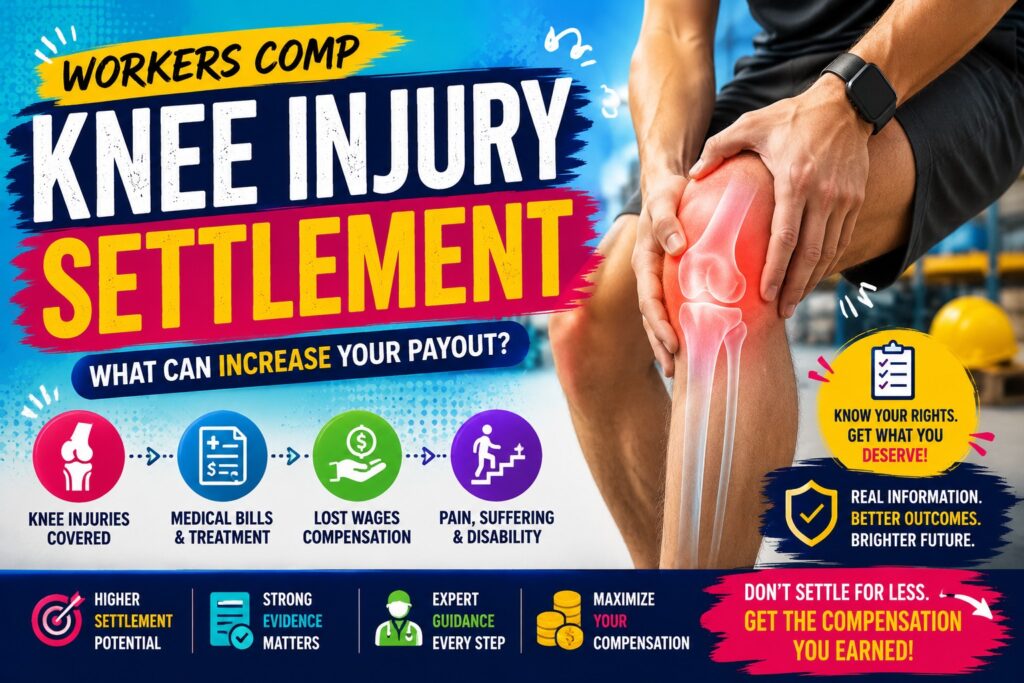
For serious injuries like back injuries or knee injuries, you can also explore our in-depth guides on Workers Compensation Settlements for Back Injury and Workers Comp Knee Injury Settlement to understand what fair compensation looks like.
Calculate Your Saving With Our Calculator
The Emotional Side Nobody Talks About
Beyond the money question, it is important to acknowledge that workplace injuries are genuinely hard. The anxiety of not working. The fear of losing your job. The pain of physical limitations. These are real, and they deserve to be recognized even if the legal system does not always put a dollar amount on them.
Does workers comp pay for pain and suffering? Not directly. But that does not mean your suffering is invisible or unimportant. It means you need to be strategic about how you approach your claim and whether additional legal options apply to your situation.
Final Thoughts and What You Should Do Next
To wrap it up simply: does workers comp pay for pain and suffering? In most cases, no. The workers compensation system was designed to cover medical costs and lost wages, not emotional or physical suffering beyond treatment.
But that is not the end of the story. Third-party lawsuits, smart settlement negotiations, and proper disability ratings can all work together to get you closer to the full picture of what your injury has cost you.
Here is what I recommend:
- File your workers comp claim right away and document every symptom carefully
- Ask a workers comp attorney whether a third-party claim applies to your situation
- Do not accept a settlement before you know your full diagnosis and disability rating
- Use the Injury Settlement Estimator to set realistic expectations
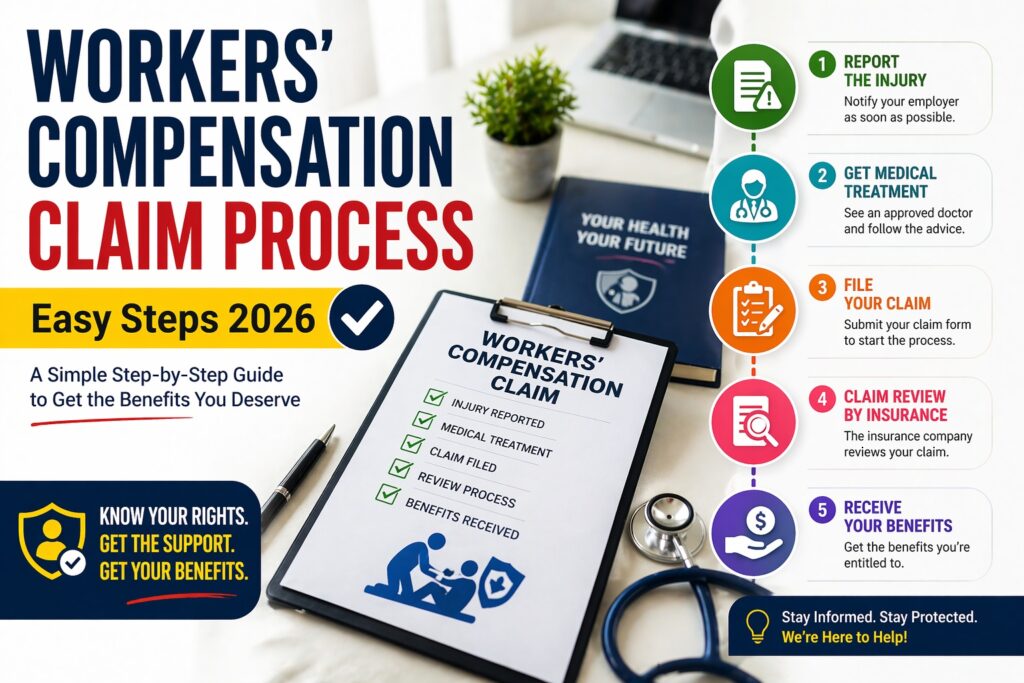
- Read up on the Workers Compensation Claim Process so you know every step
You deserve to understand your rights fully. Does workers comp pay for pain and suffering? Now you know the honest answer, and more importantly, you know what to do about it.
Have questions about your specific situation? Drop them in the comments below or share this post with someone who needs to understand their workers comp rights. Knowledge is the first step to fair treatment.