
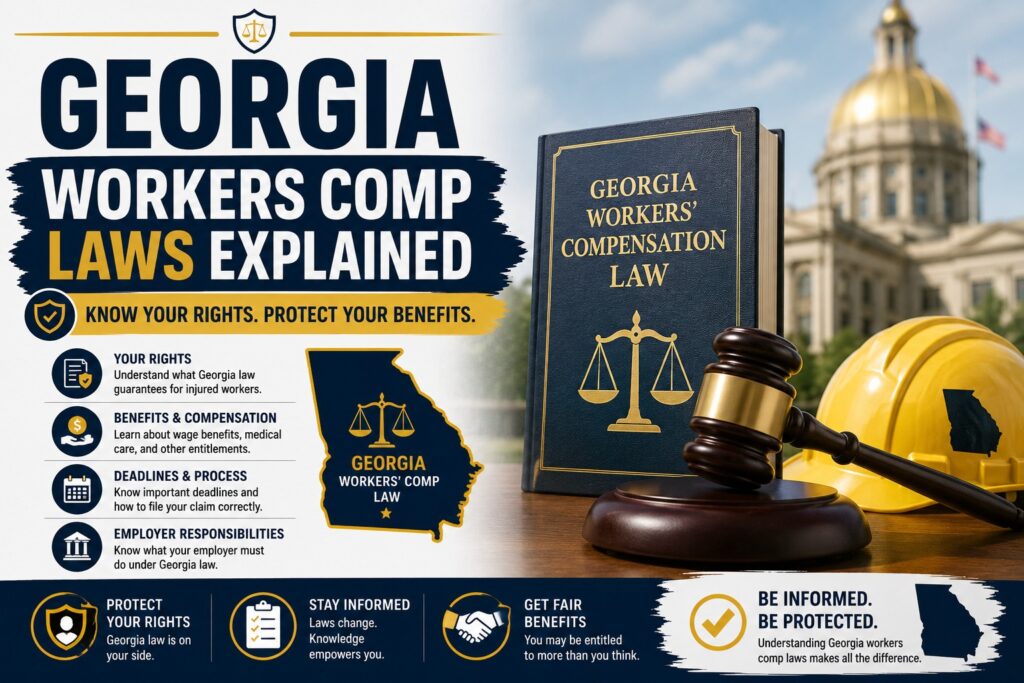
Got Hurt at Work in Georgia? You Need to Read This
Workplace injuries happen every single day. One moment you are doing your job, and the next you are dealing with pain, medical bills, and uncertainty about your future. If this sounds familiar, understanding workers comp law Georgia is the most important thing you can do right now.
A lot of workers in Georgia do not even know what rights they have after getting hurt on the job. Some are afraid to file a claim. Others simply do not know where to start. The truth is, workers comp law Georgia exists specifically to protect you. It is designed to make sure you get medical care and wage replacement while you recover, without having to sue your employer.
In this guide, we are going to walk through everything in plain, simple language. No legal jargon. No confusing terms. Just real, helpful information so you know exactly where you stand.
What Is Workers Comp Law Georgia?
Workers comp law Georgia is the set of rules that requires most employers in the state to carry workers compensation insurance. This insurance covers employees who get injured or sick because of their job.
Under workers comp law Georgia, if you are hurt at work, your employer’s insurance is supposed to pay for your medical treatment and replace a portion of your lost wages while you are recovering.
The Georgia State Board of Workers’ Compensation oversees everything. They make sure employers follow the rules and that injured workers are treated fairly.
Who Is Covered Under Workers Comp Law Georgia?
Most workers in Georgia are covered, but not everyone. Here is a simple breakdown:
You are likely covered if you are: A full time or part time employee working for a business that has three or more employees. Georgia requires any employer with three or more workers to carry workers comp insurance. This includes many small businesses, retail stores, construction companies, warehouses, and more.
You may NOT be covered if you are: A self employed contractor, a farm worker in some situations, a domestic worker in a private home, or a sole proprietor without employees. Federal employees also fall under a different system.
If you are unsure whether your job is covered, it is always worth checking with the Georgia State Board of Workers’ Compensation or speaking with an attorney. You can also check out this helpful guide on how to qualify for workers compensation to better understand eligibility rules.
What Injuries and Illnesses Are Covered?

Workers comp law Georgia covers a wide range of injuries and illnesses that happen because of work. This includes:
Sudden injuries like a fall, a cut, or a broken bone that happens on the job. It also includes repetitive stress injuries that build up over time, like carpal tunnel from years of typing or back problems from constant heavy lifting. Work related illnesses, like lung disease from breathing in chemicals at work, are also covered.
The key rule is that the injury or illness must be directly connected to your work duties. If you want to go deeper on this, check out what injuries qualify for workers compensation for a full breakdown.
Key Benefits You Can Get Under Workers Comp Law Georgia
Medical Benefits
Your employer’s insurance must pay for all reasonable and necessary medical treatment related to your injury. This includes doctor visits, surgeries, physical therapy, prescriptions, and more. There is no limit on medical benefits in Georgia as long as the treatment is directly related to your work injury.
One important thing to know: under workers comp law Georgia, your employer or their insurance company has the right to choose your treating doctor. This is called an authorized treating physician. You cannot just go to any doctor and expect it to be covered. Your employer must post a panel of at least six physicians, and you choose from that list.
Wage Replacement Benefits
If your injury keeps you from working, you can receive weekly income benefits. In Georgia, this is generally two thirds of your average weekly wage, up to a set maximum that changes each year.
There are different types of wage benefits depending on your situation. Temporary Total Disability (TTD) is for when you cannot work at all while recovering. Temporary Partial Disability (TPD) is for when you can work but only in a limited capacity and earning less than before. Permanent Partial Disability (PPD) is paid if you have a lasting impairment even after reaching maximum medical improvement.
Want a quick estimate of what you might receive? Use this free Workers Compensation Calculator to get a rough idea of your potential benefits.
Death Benefits
If a worker dies from a work related injury, their dependents may receive weekly benefits and up to $7,500 for funeral expenses under workers comp law Georgia.
How to File a Workers Comp Claim in Georgia
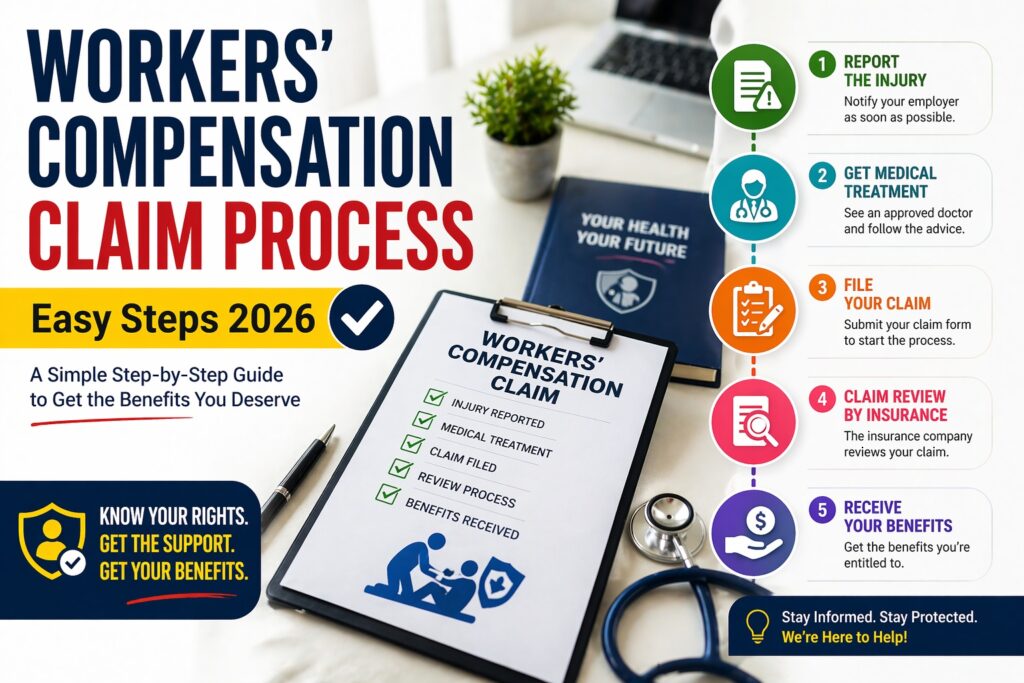
Filing a claim might feel overwhelming but it does not have to be. Here are the basic steps:
Step 1: Report the injury to your employer right away. Under workers comp law Georgia, you must report your injury within 30 days. The sooner the better. Waiting too long can hurt your claim.
Step 2: Get medical treatment from an authorized physician. Remember, you need to see a doctor from your employer’s posted panel. If your employer does not have a panel posted, you have more freedom to choose your doctor.
Step 3: File WC-14 Form with the Georgia State Board of Workers’ Compensation. This is the official claim form. You can file it yourself. The statute of limitations in Georgia is generally one year from the date of injury to file a claim, so do not wait too long.
Step 4: Work with the insurance adjuster. The insurance company will review your claim. Be honest and provide all requested information. Read about common mistakes to avoid with claims adjusters before you speak with them.
For a more detailed walkthrough, read this complete guide on the workers compensation claim process.
Useful Tool For Generating PDF
What If Your Claim Gets Denied?

It happens more than it should. Your claim gets denied and you feel stuck. But do not give up. Workers comp law Georgia gives you the right to appeal a denial.
You can request a hearing before the Georgia State Board of Workers’ Compensation. This is where having a lawyer can make a big difference. An experienced attorney can help you gather evidence, prepare your case, and represent you at the hearing.
Learn more about what to do if your claim is denied right here: what if workers comp claim is denied.
Can You Be Fired for Filing a Workers Comp Claim?
This is one of the most common fears workers have. The short answer is that under workers comp law Georgia, it is illegal for your employer to fire you specifically because you filed a workers comp claim. That is considered retaliation and it is against the law.
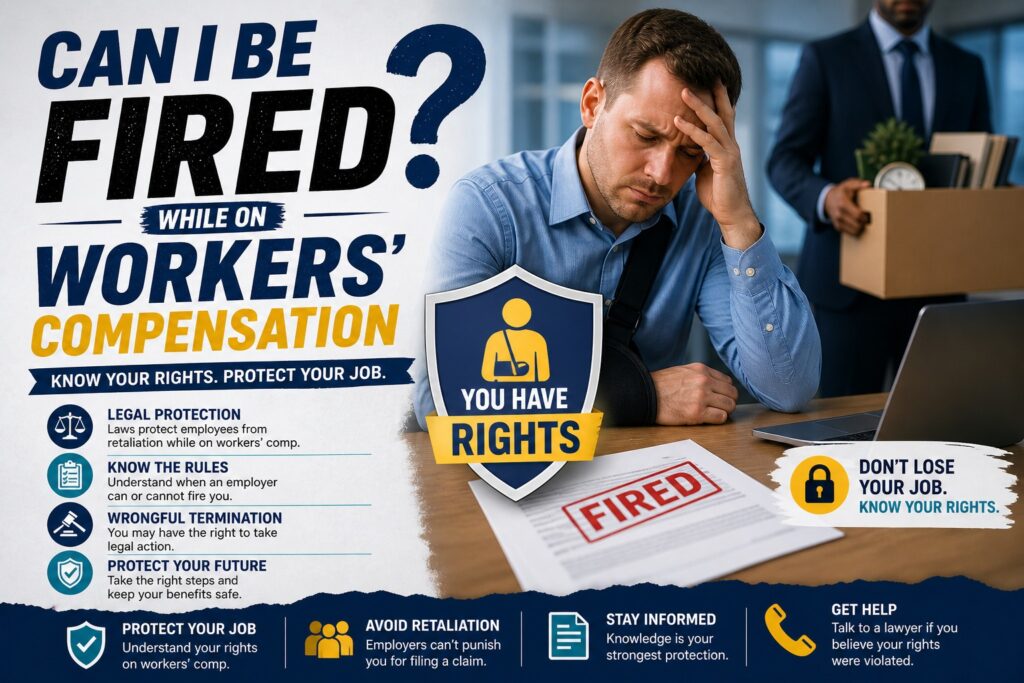
However, Georgia is an at will employment state, which means employers can still let workers go for other reasons even while they are on workers comp. This is a complicated area. Read this detailed post on can I be fired while on workers compensation to understand your rights more clearly.
A Quick Comparison: Georgia vs Other States
| Feature | Georgia | Most Other States |
|---|---|---|
| Employer threshold | 3+ employees | Usually 1 to 5 employees |
| Doctor choice | Employer selects panel | Varies widely |
| Wage replacement | 2/3 of avg weekly wage | Usually 60 to 66% |
| Statute of limitations | 1 year to file | Usually 1 to 3 years |
| State oversight | Georgia State Board | State specific agencies |

Do You Need a Lawyer?
Not every case needs a lawyer, but many do. If your injury is serious, your claim was denied, or you feel like the insurance company is not treating you fairly, getting legal help is a smart move.
A workers comp attorney in Georgia usually works on contingency, meaning they only get paid if you win. This makes it much less risky to get help. Read more about whether you need a lawyer for workers compensation before making your decision.
You can also use the free Lost Wage Calculator to see how much income you may have already lost while you were off work.
Final Thoughts
Workers comp law Georgia is there to protect you when you are at your most vulnerable. Getting hurt at work is scary enough without having to worry about medical bills and missed paychecks. The system is not perfect, but knowing your rights gives you real power.
Report your injury on time. See an authorized doctor. File your claim properly. And do not be afraid to ask for help if things get complicated.
If you found this guide helpful, share it with a coworker who might need it. And if you are dealing with a claim right now, use our free tools and guides on this site to make sure you are getting every dollar you are entitled to under workers comp law Georgia.