

You got hurt at work. The pain is real, the stress is overwhelming, and now someone is telling you that you have to see a doctor you’ve never met before. Your first thought is probably: can I go to my own doctor for workers comp?

It’s one of the most common questions injured workers ask, and honestly, the answer isn’t a simple yes or no. It depends on where you live, what stage your claim is at, and sometimes even what your employer’s insurance policy says. But don’t worry. By the end of this post, you’ll know exactly where you stand and what to do next.
Why This Question Matters So Much
When you’re injured, seeing a doctor you trust makes a huge difference.
Can I Go to My Own Doctor for Workers Comp? Your own doctor knows your medical history. They know your body. You feel comfortable being honest with them.
But workers comp has its own rules. And those rules don’t always put your comfort first. Insurance companies often have a say in which doctors you see, because they’re the ones paying the bills. That creates a real tension between what’s best for you and what the system requires.
So let’s break it all down clearly.
The Short Answer: It Depends on Your State
The biggest factor in answering can I go to my own doctor for workers comp is your state’s law. Every state in the US has different rules about doctor choice in workers compensation cases.
Here’s the general breakdown:
States where the employer or insurer controls doctor choice (at least at first):
In many states, your employer or their insurance company has the right to direct your initial medical care. This means they pick the doctor, the clinic, or the medical network. You may not have a say in the beginning.
States where you can choose your own doctor:
Some states, like California and a few others, give injured workers more freedom to choose their treating physician, especially if they pre-designated a personal doctor before the injury happened.
States with a mixed approach:
Some states let you choose from a list of approved providers. Others let you switch to your own doctor after a set period of time.
Because the rules vary so much, it’s smart to check the specific laws in your state. You can get a solid overview from this guide on Workers Compensation Benefits by State to understand how your state handles these situations.

Pre-Designation: The Key to Seeing Your Own Doctor
Here’s something most workers don’t know until it’s too late. In states like California, you can actually pre-designate your personal physician before a workplace injury happens. This means you tell your employer in writing, ahead of time, that if you ever get hurt at work, you want your own doctor to handle your care.
If you did this correctly, then yes, can I go to my own doctor for workers comp becomes a clear yes answer for you.
But most people never do this. They don’t know it’s an option. And by the time they get injured, it’s too late to go back and set it up.
If you haven’t been injured yet, this is your reminder to look into pre-designation in your state right now.
What Happens if You Just Go to Your Own Doctor Without Permission
Let’s say you skip the employer-directed doctor and go straight to your personal physician. What happens?
In some states, this could be fine. Your claim may still be valid.
In other states, the insurance company may refuse to pay for that visit. They might argue that since you didn’t follow the required process, they have no obligation to cover the costs.
This is a real risk. You could end up with medical bills that workers comp won’t cover, simply because you went outside the approved process.
That said, there is one big exception almost everywhere: emergency treatment. If you’re seriously injured and need emergency care, you absolutely can go to any emergency room or urgent care center. Workers comp is required to cover emergency treatment regardless of which provider you used.
After the Initial Treatment: Can You Switch Doctors?
Even if your employer directed your first doctor visit, you may have options later. Many states allow injured workers to request a change of physician after a certain period, usually 30 days after the initial treatment.
Here’s when switching might make sense:
- You feel the treating doctor is not taking your injury seriously
- The doctor keeps clearing you for work when you still feel pain
- You’re not getting better and want a second opinion
- You feel the doctor is more loyal to the insurance company than to your health

If you suspect the treating doctor isn’t giving you fair care, you should also learn about what an Independent Medical Examination is and how it works. Sometimes the insurance company will order one of these, and understanding your rights around it is important.
State by State: A Quick Comparison Table
| State | Can You Choose Your Own Doctor? |
|---|---|
| California | Yes, if pre-designated before injury |
| Texas | More employer control, varies by policy |
| Florida | Must see employer’s doctor for first visit |
| New York | Generally, employee can choose own doctor |
| Georgia | Must treat with employer’s panel of physicians |
This is just a general snapshot. Always verify with your state’s workers comp board or a local attorney.


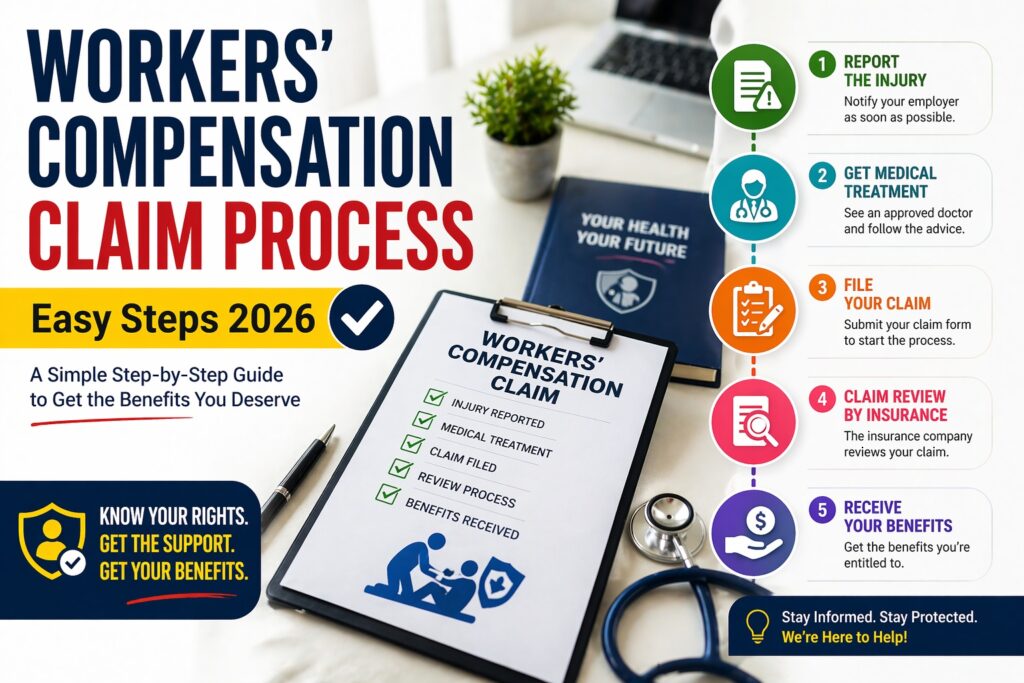
What to Do Right After a Work Injury
Whether or not you can go to your own doctor for workers comp, there are steps you should take immediately after getting hurt at work.
Step one: Report the injury to your employer right away. Don’t wait. Delays can hurt your claim.
Step two: Get medical treatment. Even if you’re sent to an employer-directed doctor, go. Getting on record with a medical professional protects your claim.
Step three: Document everything. Write down what happened, when it happened, and what witnesses were around.
Step four: Follow the treatment plan. Missing appointments or ignoring medical advice can be used against you later.
Step five: Know your rights. Read about the full Workers Compensation Claim Process so you’re not caught off guard at any stage.
When You Really Should See Your Own Doctor
Even if workers comp is directing your care, there are moments when seeing your own doctor independently makes sense.
For example, if you want a second opinion and are willing to pay out of pocket temporarily, your personal doctor can review your case. That information can be valuable if your claim goes to a dispute or hearing later.
Also, if your injury involves something your personal doctor was already treating before the workplace accident, they may need to be involved regardless.
The key is documentation. If you go to your own doctor for any part of your care, keep every record, every note, every test result. These can matter a lot later.
How Insurance Companies Use Doctor Choice Against You
Here’s the uncomfortable truth. Insurance companies sometimes steer injured workers to doctors who are known to minimize injury claims. These doctors may clear workers for duty faster, rate disability lower, or write reports that favor the insurer.
This is one reason so many injured workers ask, can I go to my own doctor for workers comp? Because they sense something isn’t right with the assigned physician.

If you’re concerned about this, talk to a workers comp attorney. Many offer free consultations. You can also read more about whether you need a lawyer for workers compensation to help you decide if getting legal help makes sense for your situation.
Tools to Help You Understand Your Claim Better
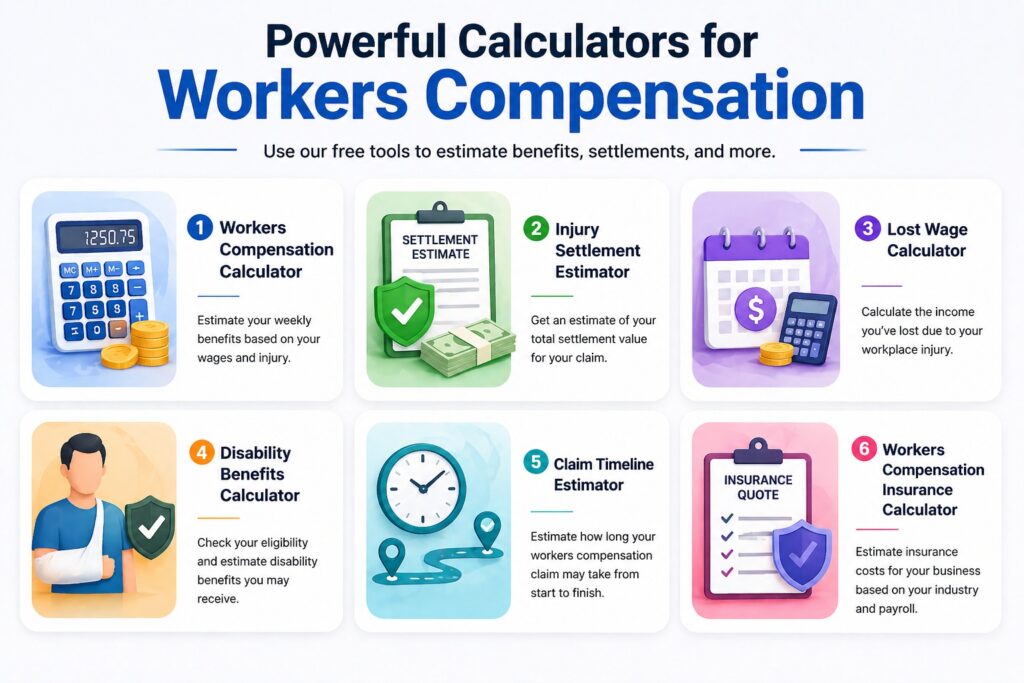
While figuring out the medical side of your claim, it also helps to understand the financial side. Use this Workers Compensation Calculator to get a rough estimate of what benefits you might be owed. If your injury has caused you to miss work, the Lost Wage Calculator can help you understand what you may be entitled to in lost income.
Calculate Your KPI With Our Advance Calculator
These tools won’t replace legal advice, but they give you a clearer picture of where you stand.
The Bigger Picture: Your Health Comes First
At the end of the day, the question of can I go to my own doctor for workers comp is really about protecting your health and your rights at the same time.
The system isn’t always set up in your favor. But knowing the rules, following the process, and pushing back when necessary can make a real difference. Your recovery depends on getting good medical care. Don’t let the insurance process get in the way of that.
If your claim has been denied or you’re facing pushback, don’t give up. There are appeals processes and legal options available to you.
Final Thoughts
So, can I go to my own doctor for workers comp? Sometimes yes, sometimes no, and sometimes it depends on timing and process. The most important things you can do are: know your state’s laws, pre-designate a doctor if your state allows it, follow the required steps after an injury, and speak up if you feel your care isn’t fair.
You deserve treatment that actually helps you heal, not just treatment that protects the insurance company’s bottom line.
If you found this helpful, share it with a coworker or someone who recently got hurt on the job. And if you’re navigating a claim right now, take a few minutes to explore the tools and guides linked throughout this post. Your rights are worth understanding.